What is Dark Web Monitoring
Like the dim-lit side alleys of a digital city, the dark web is a place most people never visit—but it’s where their data often lives. As of 2026, cybersecurity research indicates that over 90% of the world's information resides in the deep and dark webs. In the age of AI, this data isn't just sitting there; it's being used to fuel automated social engineering and sophisticated impersonation attacks.
A significant portion of that information is stolen data: credit card details, biometric identifiers, emails, and physical addresses. For many, the concern isn't just *if* their information is out there, but how criminals are using it right now. While you likely don't have the time to patrol hacker forums, taking proactive steps today can render that stolen data useless.
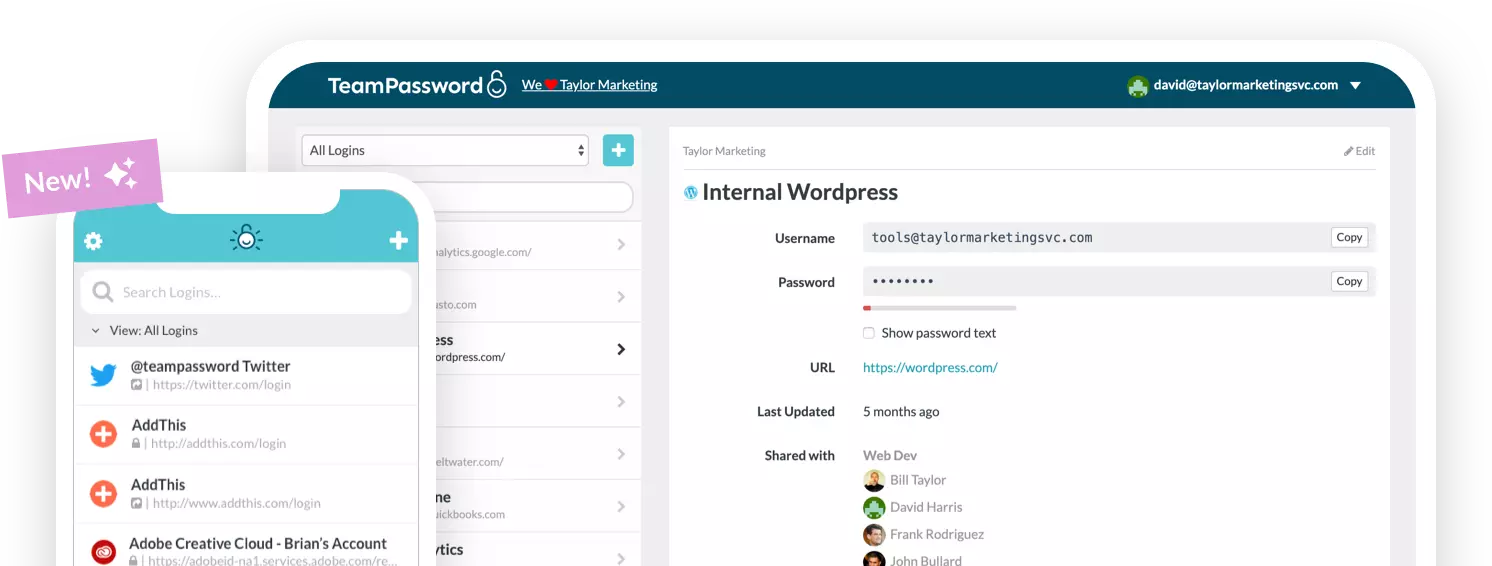
Criminals sell credentials from data breaches to fuel "Credential Stuffing" attacks. A secure password manager like TeamPassword ensures you never reuse credentials, effectively neutralizing the threat of leaked data. Sign up for a 14-day free trial today!
---
Table of Contents
What is the Dark Web?
If you're unfamiliar with the dark web, think of it as the unindexed layer of the internet. It requires specific software, such as the Tor browser, to access. This anonymity was originally designed for privacy and free speech, but it has evolved into a streamlined marketplace for cybercrime-as-a-service.
The dark web operates much like a legitimate eCommerce site. Using cryptocurrency, bad actors can buy everything from stolen login databases to "Deepfake-as-a-Service," where AI models are trained on stolen voice or video data to impersonate organization leaders or family members. One of the most common commodities remains personal information stolen from data breaches, which serves as the "raw material" for identity theft and phishing scams.
---
What Kind of Information is Traded Today?
If a piece of data has value, it has a price tag on the dark web.
Cybercriminals are no longer just looking for credit card numbers. They are looking for the "full identity" of a target to conduct extortion or business email compromise. This includes:
- Session Cookies: Allowing hackers to bypass 2FA by "mimicking" a logged-in browser.
- Passwords & Passkeys: The keys to your digital life.
- Biometric Data: High-value targets for identity spoofing.
- Intellectual Property: Internal memos, trade secrets, and academic records.
- Medical Records: Often used for high-stakes insurance fraud.
By understanding that this information is fluid and easily accessible to attackers, you can move from a defensive mindset to an offensive one. Changing credentials before they are used against you is the most effective way to stay safe.
---
What is Dark Web Monitoring?
Dark web monitoring is the process of scanning these hidden forums and marketplaces for your specific data. Because the dark web is too vast for manual searching, cybersecurity firms use automated crawlers and scrapers to flag leaked credentials the moment they appear.
Many people previously relied on basic free tools, but as these services have evolved or been discontinued, specialized monitoring has become essential. Offensive security involves knowing your data is leaked before the breach reaches your bank account or your company's network. For those managing teams, this knowledge allows IT to reset compromised accounts and audit for unusual behavior before a major incident occurs.
---
5 Tips to Keep Your Information Safe
While you cannot control when a major corporation has a data breach, you can control how much that breach affects you. Here are five essential practices for 2026:
1. Practice "Data Minimalism"
The less you share, the less there is to steal. If a service only requires an email, don't provide your phone number or birthday. "Shadow AI"—employees putting sensitive data into public AI tools—is a major source of leaks. Be mindful of what you feed into any digital platform.
2. Destroy Physical Records
It sounds old-fashioned, but "dumpster diving" is still a primary way criminals gain the initial data needed to find your digital accounts. Shred documents containing your name, address, or account numbers. These details are often used to "verify" your identity during fraudulent calls to customer service centers.
3. Use Zero-Trust Networking
Public Wi-Fi remains a playground for traffic interception. Using a Virtual Private Network (VPN) or a Zero-Trust security model ensures your connection is encrypted and invisible to others on the same network. Never submit forms or passwords on a website that lacks an HTTPS connection.
4. Harden Your Physical Devices
Security isn't just about the cloud. In shared workspaces or while traveling, an unlocked laptop is a goldmine. Ensure every device—including tablets and phones—requires a strong password, biometric check, or hardware key to unlock. This prevents criminals from installing malware or extracting "remembered" passwords from your browser.
5. Deploy a Robust Password Manager
A password manager is your most powerful tool in the fight against credential stuffing. It allows you to use unique, complex passwords for every single account without the impossible task of memorizing them. If one site is breached, only that one password is compromised—leaving the rest of your digital life secure.
---
Secure Your Team with TeamPassword
TeamPassword is a streamlined solution designed to make secure credential sharing effortless. Whether you're a small group or a growing organization, it eliminates the need for unsecure spreadsheets and "sticky note" security.
Why Modern Teams Choose TeamPassword
- Instant Access, Zero Friction: Use browser extensions for Chrome, Firefox, and Safari to sign in instantly without ever seeing the raw password.
- Neutralizing Credential Stuffing: Our built-in password generator creates 20+ character strings that are virtually impossible to crack or guess.
- Activity Auditing: See exactly who accessed which account and when. If someone leaves your group, you can revoke access in one click.
- Two-Factor Authentication (2FA): We protect your vault with Google Authenticator and backup codes, ensuring that even if someone learns your master password, they still can't get in.
The goal of security is to make your data too expensive and time-consuming for a criminal to bother with. By centralizing your security in TeamPassword, you do exactly that.
The Smart, Secure Password Manager for a 2026 Threat Landscape
Stop struggling with messy spreadsheets and insecure sharing that leaves your data vulnerable to the dark web. TeamPassword provides a powerful, user-friendly platform that turns your security from a liability into an asset.
Gain complete control and peace of mind with features designed to neutralize modern cyber threats:
- Integrated TOTP Authenticator: Generate time-based one-time passcodes directly within TeamPassword. Even if a criminal buys your password on the dark web, they can’t bypass the second layer of defense living inside your vault.
- Enforceable 2FA: Don't leave security to chance. Mandate two-factor authentication for every user across your organization to ensure a consistent, high standard of protection.
- Detailed Activity Logs: Maintain full visibility with a complete audit trail. Identify "Shadow AI" usage or unusual login patterns before they turn into a data breach.
- Unlimited Records & Groups: Store an infinite number of logins and organize them by team, project, or client. Keep your digital assets compartmentalized so a single leak never compromises your entire operation.
- Multiple User-Roles: Assign granular permissions. Control exactly who can view, edit, and create credentials, ensuring access is granted only on a "need-to-know" basis.
- One-Time Share: Need to work with an external contractor? Securely share a single password for a limited time without giving them permanent access to your sensitive records.
- Free Google Sign-In: Simplify onboarding and daily access with secure, one-click login using your team's existing Google accounts.
In a world where data breaches are becoming more frequent and costly, security is no longer optional. With straightforward plans starting at just $2.41 per user per month, TeamPassword is the most effective and affordable way to keep your team off the dark web's "most wanted" list.
Recommended Posts
The Ultimate Employee Offboarding Guide for Data Security
What’s the plan when an employee leaves? Properly handing off company information when an employee leaves can be ...
What is password encryption and how does it work?
Password encryption is the number one component of password security. TeamPassword encrypts passwords with state-of-the-art technology to keep ...
Cybersecurity for Utilities: Common Threats & Best Practices
The utilities sector is ripe for cyber threats. Learn more about these threats and how to prevent them ...
7 Cybersecurity Risks of Using Personal Devices for Work
Bring your own device policies are increasingly popular as remote work trends continue. With them come risks. This ...
Enhance your password security
The best software to generate and have your passwords managed correctly.